Swim Training Camps in Spain: Torremolinos and Costa del Sol
A swim camp on the Costa del Sol is a way to buy outdoor or 50-metre water, reliable morning light, and a hotel that can feed a squad between sessions. Torremolinos is the version of that trip that keeps Malaga close. The week works when the lane booking is real and the day is built around the pool, not around the promenade.
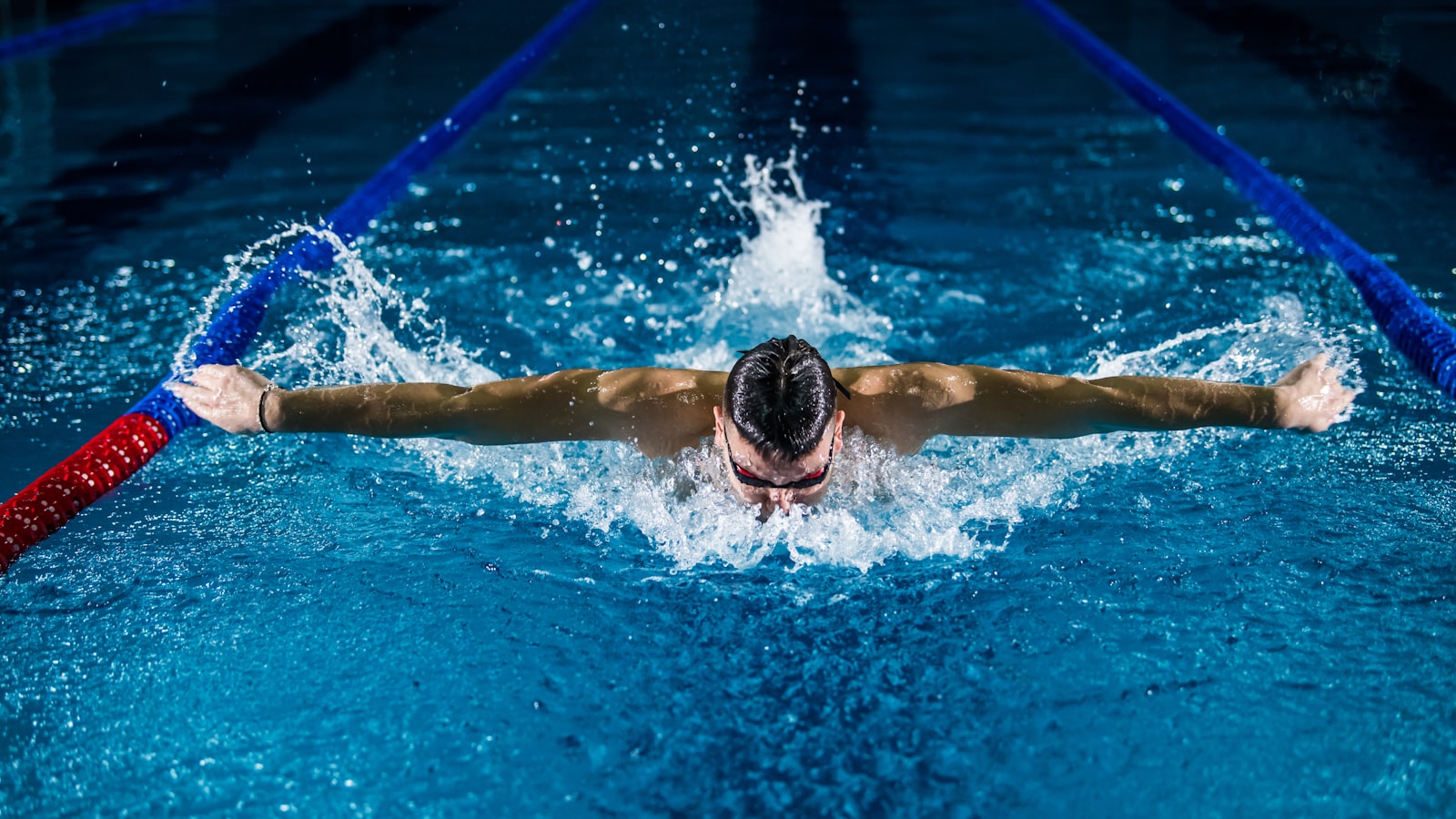
This article is for club coaches and team leaders planning a Spanish swim camp. It covers what Torremolinos offers, how it sits among other Spain Swimming Training Camps, and the questions that separate a training week from a holiday with goggles.
Why Spanish water still wins for Nordic clubs
Nordic winter swimming is a negotiation with indoor air, short outdoor days and shared municipal pools. A week in Andalusia does not replace a season. It can give you a block of quality sessions in a climate that lets swimmers recover between them without walking home in sleet.
Spain also has a mature sports-group hotel market. That sounds dull. It is the reason breakfast exists at 06:45 and the reason a coach can get 20 people from rooms to pool without inventing a bus company. Torremolinos is close enough to the airport that arrival and departure days stay usable. That matters more for swimming than for some field sports, because the first tired session in the water is a technical session, not just a fitness one.
If you want a map of other Spanish swim weeks, start with the national overview and then come back to the Costa del Sol. The country is not one pool. Catalonia, the islands and Andalusia offer different water, different wind and different transfer stories.
What a Torremolinos week actually looks like
Torremolinos Swim Camp is a coastal camp: hotel living, town on the doorstep, and training organised around reserved water. The typical day is an early morning session, food, rest, and a second session in the afternoon. Evenings should be quiet. The town will offer you other ideas. The camp is the reason you came.
Ask, in writing, which pool you have at which time. Long-course water, short-course water and a hotel pool are not interchangeable. A club that travelled for 50-metre work should not discover on night one that the reserved lanes are 25 metres and shared with public swim-for-fitness at 07:00.
Also ask:
- How many lanes, and whether you have exclusive use
- Outdoor or indoor, and what happens in wind or a cold snap
- Whether a pace clock is on deck
- Changing rooms, warm-up space, and where you put a medical bag
- Transfer time at 06:30, not at midday
If the pool is a short walk, the week gets easier. If every session needs a coach, you will lose sleep and you will lose the edges of the session. Younger squads especially leak energy in hotel lobbies.
Building the swimming, not only the trip
Write the camp purpose before you pick a room type. Examples that work: “Eight quality sessions, two of them threshold, before the first long-course meet.” “A youth week that teaches morning practice habits and race-week routine.” Examples that fail: “Warm weather and team spirit.”
A useful Spanish week for a club squad is not a surprise training camp. It is a concentrated version of work you already believe in, done with better recovery conditions. Bring the sets, the intervals and the stroke focuses you would have used at home. Use the extra water time to do them completely, not to invent a new philosophy on the pool deck.
Double days are the product. They only work if sleep, food and the second-session design are honest. The afternoon should not copy the morning at higher volume. Technical work, race-pace repeats or a shorter quality set will keep the week standing. A second dump of mileage is how you fly home with shoulders that need three quiet days.
Land, eat, walk, sleep. The first water should be the next morning, and it should be simple enough that travel-stiff swimmers can still do it well.
Food, sun and the hidden load
Costa del Sol buffets are built for people who will sit by a pool, not for people who have just left one. Ask for meal times that match the sessions. A breakfast that opens after the van leaves is a broken camp. A lunch that closes before you return from the second warm-down is the same problem in the afternoon.
Point younger swimmers at protein, carbohydrate and fruit on night one. Soft drinks and ice cream will appear. They should not be the recovery plan. Water needs to be on the table and on the deck. February sun is still sun. Hats, simple shade and a rule about the tourist pool between sessions will save you more than a clever dryland circuit.
The tourist pool is the local trap. A “recovery splash” becomes twenty minutes of unregulated horseplay. If you want easy water, coach it or close it.
Town, sleep and youth groups
Torremolinos is a real place. That is good for a pharmacy, a second dinner option and an evening walk. It is work for anyone responsible for under-18s. Write curfew, room lists and meeting points before you travel. Walk the route from hotel to sea on night one. The promenade is not dangerous in the ordinary tourist sense. It is open, and open towns test rules.
Staffing should allow one adult to stay back with a sick swimmer while training continues. Two coaches for a full youth squad is tight the first time someone needs a clinic.
Senior clubs have a different problem: the town becomes a social camp. A team meal and a short walk are enough. The week is short. Sleep is the performance factor you can still control.
How Torremolinos compares with other Spanish options
Choose Torremolinos when airport time is scarce and you want a town, not a sealed resort. Choose a quieter coastal venue if your group needs less evening stimulus. Choose a dedicated sports complex if you want the whole day to feel like a training centre.
The swim camps hub is the place to compare those models across countries. Spain is often the first shortlist because the flight from Scandinavia is simple and the winter climate supports outdoor or lightly dressed recovery. Greece, Cyprus, Italy and France can beat it for a specific pool or a specific date. They should beat it on a named reason, not on a feeling.
If long-course water is the reason for the trip, make that the first line in the enquiry. If the reason is simply a block of camp life — shared meals, two sessions, a week together — short-course exclusive lanes can still be a very good week. Do not let the brochure decide which of those you are buying.
Practical deck and travel notes
Pack the boring things: extra goggles, a second cap, fins or paddles if your sets need them, a water bottle that will not blow off an outdoor deck, and European plugs. Deck can be bright and warm in February while the shade is still cool. Bring a layer for the coach as well as for the swimmers.
Photograph insurance cards. Save the hotel and pool addresses in every staff phone. Agree who holds passports for a youth group. Weigh the kit bags; pull buoys and snorkels add up, and budget airlines do not care that they are “training equipment”.
Video from an outdoor deck is easy. Use it for one or two stroke themes, then stop. A camp is a poor week to build a full analysis department and a good week to show a swimmer one picture of their catch.
Booking through Gothia Sportstravel
Gothia Sportstravel organises the Torremolinos swim week as a single picture: rooms, transfers, reserved water and a contact person who can be called when a session time moves. That is the useful layer. The club still owns the sets and the standards.
When you make contact, send dates, squad size, long-course or short-course need, how many sessions, and whether the group is youth, senior or mixed. The Costa del Sol can host all of those formats. It cannot invent exclusive 50-metre lanes at a week’s notice in a popular holiday window.
A Torremolinos camp is a good Spanish week when the pool booking is as real as the flight. Protect the water, keep the town in the background, and let the swimmers do the work they came for.
