Open Water vs Pool Focus: Choosing the Right Swim Camp
A swim camp is not automatically a pool camp. Some weeks are built around reserved lanes. Some are built around a coastline. Many clubs try to do both in the same seven days and end up doing neither well. The choice is a coaching decision: what does the next block of the season need, and what can you supervise honestly?
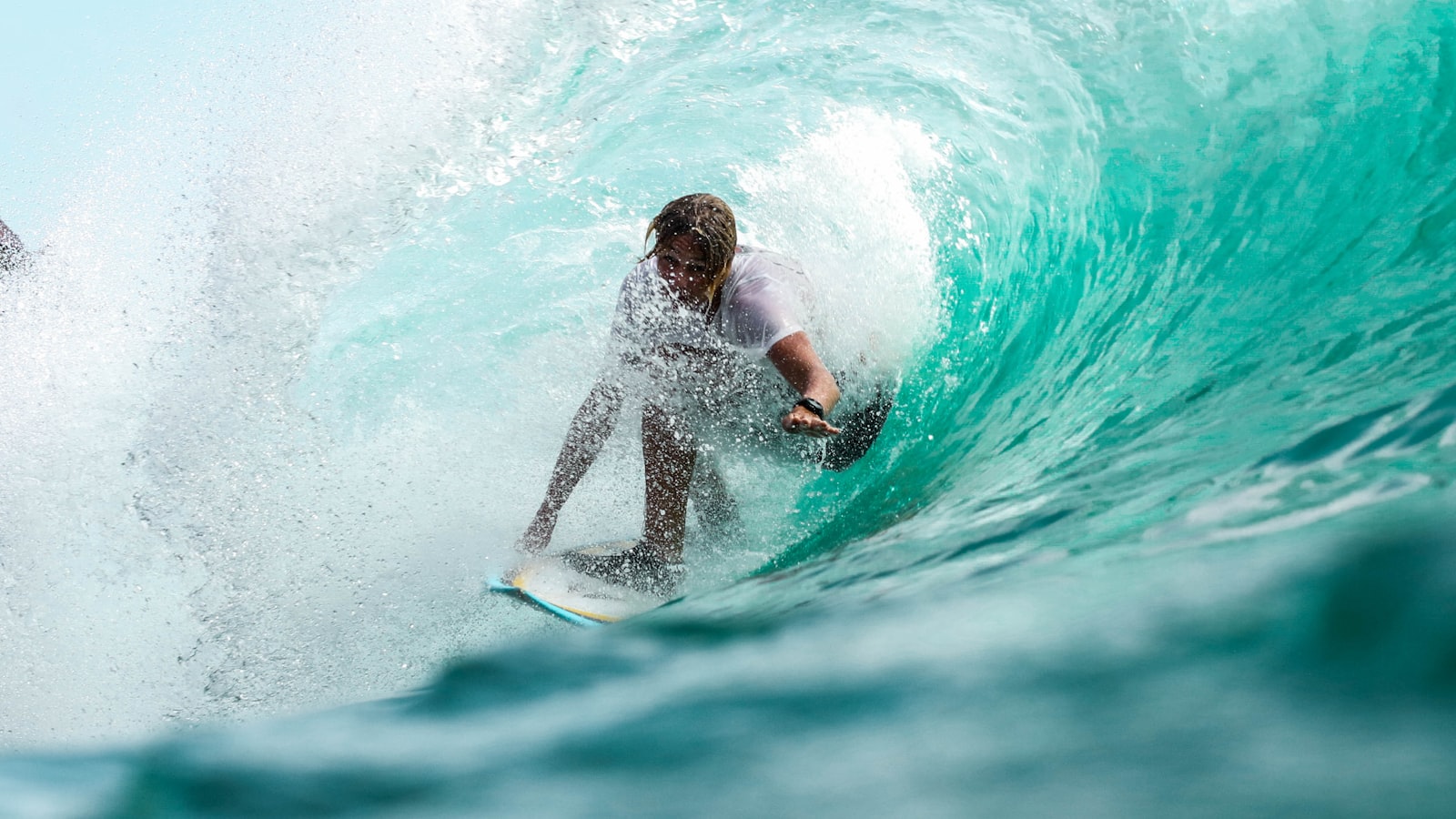
This article helps team leaders decide between an open-water focus, a pool focus, or a carefully limited mix. Croatia appears as the coastal example. Riccione appears as the pool-town example. The same logic applies anywhere on the swim camps list.
Name the season problem first
Pool camps exist to buy exclusive water, long-course metres, and a double-day rhythm you cannot get at home. They serve the club swimmer whose next important day is in a 25-metre or 50-metre meet.
Open-water camps exist to buy sighting, packing, pacing in a crowd, and the specific fatigue of swimming in a moving, bright, cooler or warmer body of water. They serve the swimmer whose next important day is a sea or lake race, or the pool swimmer who needs a mental and technical change of scene.
If your squad is a normal winter club group with a long-course meet in April, a pool week is the default. If your squad is preparing a summer sea race, or you have a small senior group that already has enough pool volume, a coastal week can be the better spend.
Do not let the photograph decide. Sea in the background of a hotel is not an open-water programme.
What a pool-focused camp must guarantee
The non-negotiables are exclusive lanes, a known course length, clock times that allow two sessions, and a hotel that can feed those sessions. Riccione Swim Camp, Italy is that product: town, reserved water, and a culture that already understands a wet breakfast queue.
A pool camp can include one easy sea swim if the conditions and the staffing are right. That swim is a recovery or a skill splash. It is not the reason you booked Italy. If the sea looks like the main event in the parent letter, you have already confused the week.
Pool camps fail when the lanes are shared, when the afternoon session is a copy of the morning, and when the town eats the sleep. They succeed when the sets you already believe in can be completed properly.
What an open-water camp must guarantee
Open water is not “no pool, just freedom”. It needs:
- A defined swim area and a local person who knows it
- Safety cover that matches the group size and ability
- A weather and wind rule that can cancel the session
- Wetsuit policy, temperature honesty, and a cut-off for who gets in
- A pool or a sheltered backup for the days the sea is wrong
- Staff who can count heads in chop, not only on a pace clock
Croatia Swimming Camps sit on a coastline that can support this kind of week in the right months. The Adriatic is not a swimming-pool. Wind, boats and sudden changes of surface are part of the sport. That is the value and the risk.
If you cannot name the safety plan, you do not have an open-water camp. You have a hope.
Who should not do a sea-first week
Younger age groups whose stroke is still being built in a lane. Swimmers who are not confident putting their face in cold or moving water. Squads without enough staff to have eyes on the water and someone on the beach. Clubs that need long-course racing practice more than they need a story.

A mixed club camp is especially easy to get wrong. The strongest seniors want a long coastal loop. The younger swimmers need a short, supervised out-and-back. If you cannot split those sessions, stay in the pool.
Designing the two weeks differently
Pool week: morning is the main set. Afternoon is skills, race-pace or a shorter quality block. One optional easy sea swim late in the week if everyone is coping.
Open-water week: start with short, close-to-shore work. Teach sighting before you teach distance. Put the longest swim when people are already used to the temperature and the salt. Use the pool backup for stroke correction and for the day the wind rises. Do not stack a hard pool threshold set under a long sea swim on the same day unless that is a specific, rare session you have prepared for.
Feeding and salt change the week. Sea swimming makes people hungrier and thirstier than they expect. Hats, extra goggles and a rule about sun on the back of the neck are part of the session plan.
Safety is coaching
Write a simple policy before you travel. Who checks the forecast. Who can cancel. The maximum distance from shore. The buddy system. What happens if someone panics. Where the first-aid bag sits. How you will communicate with a kayak or a boat if you have one, and what you will do if you do not.
Count people into the water and out of it. It sounds primary-school. It is how groups stay intact. Bright caps are not a fashion choice.
Insurance and local rules vary. Confirm what the venue allows and what your club insurance actually covers away from a pool. That conversation belongs at home, not on the beach.
Season and destination
Spring and early autumn are the usual European windows for a coastal week that is still about training. High summer adds heat, tourists and boat traffic. Deep winter is a pool purchase for almost every Nordic club; Cyprus and southern Spain can add outdoor pool water, which is not the same as open water.
Croatia in the right month can be a sea-led camp with a town that is still human in scale. Italy’s Adriatic towns can be pool-led camps with a sea option. Spain is usually pool-led. Greece and France can do either if the booking says which.
Pick the country after you pick the focus. Then ask the organiser to show you the water, not only the hotel.
Talking to parents and the board
Say the word “open water” only if you mean supervised sea or lake training with a cancel rule. Do not use it as a romantic label for a pool camp near a beach. Parents will hear risk. They are not wrong. Your job is to show the plan that makes the risk ordinary and managed.
For a pool camp, show the lane times. That is the reassurance. For a sea camp, show the safety structure. That is the reassurance.
Gothia Sportstravel can help you match the focus to a venue they have actually visited. The first email should say “pool week” or “open-water week” in the subject, plus dates and age profile. A mixed request is fine if you also say which session is the main one.
The right camp is the one that trains the thing your season is about to ask for. Choose the water first. Let the coastline be the setting, not the decision.
